Batteries, mini-grids, fragile grids: three uses and four business models for energy storage, with the points to watch.
Battery energy storage is leaving the lab. Lithium battery prices have fallen sharply in ten years, and the first projects are now being financed in West Africa. But which model should you choose depending on the use and the context?
Three uses, three economic logics
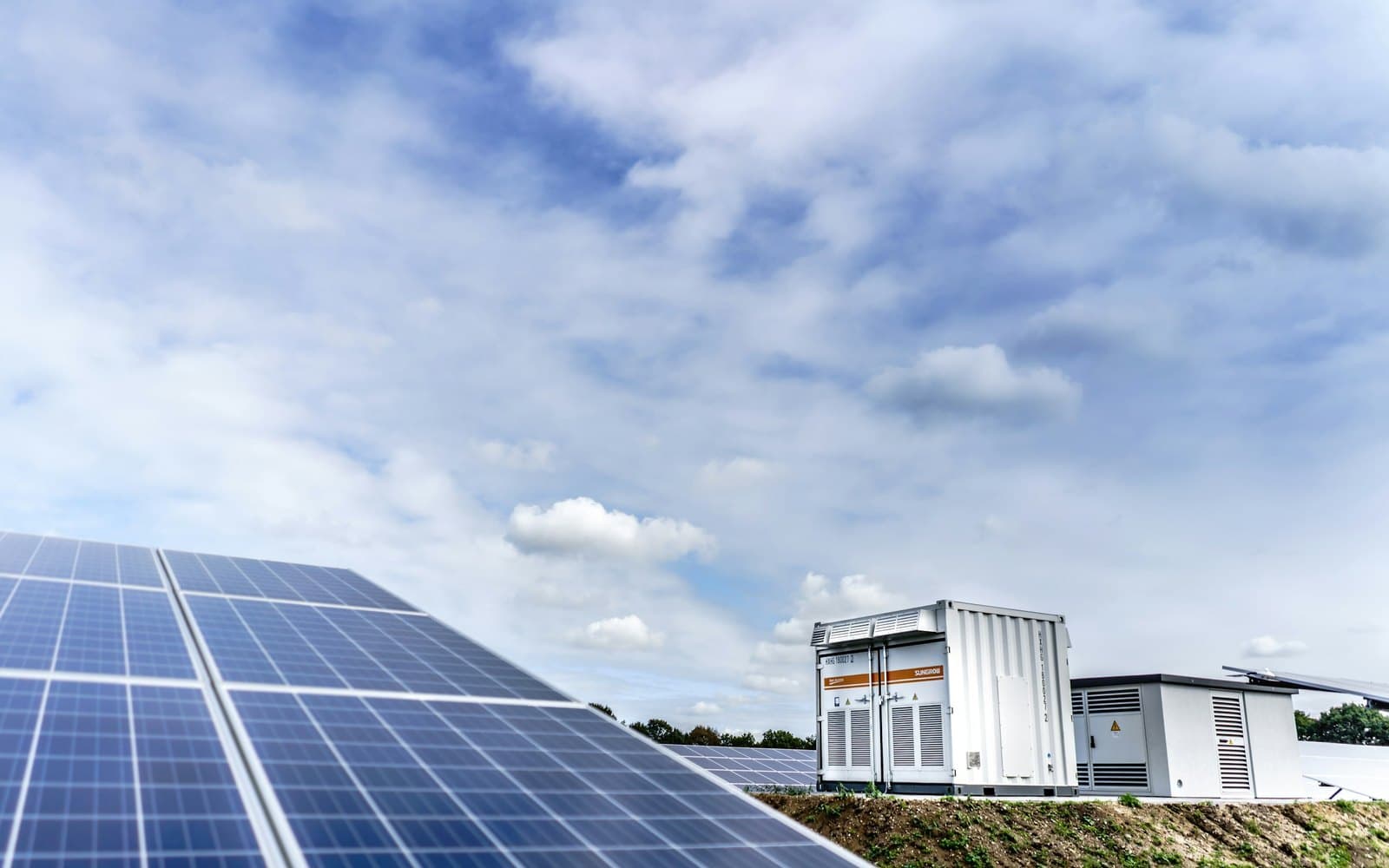
1. Remote sites and mini-grids. Storage makes it possible to use in the evening the electricity produced by solar during the day, and to reduce reliance on the generator. Today this is the most mature use case, because it replaces an expensive fuel.
2. Fragile grids. In grids prone to outages or voltage swings, storage stabilises frequency and secures the supply of critical infrastructure such as hospitals. The value is real but hard to remunerate without a regulatory framework.
3. Businesses and commercial sites. Industrial users and shopping centres combine solar and batteries to cut their bills and protect themselves from outages. Profitability depends on the electricity tariff and the cost of the fuel avoided.
The possible models
- Direct purchase: the company invests, with a payback of a few years
- Lease or pay-as-you-go: an operator installs and bills for the energy or the capacity
- Service contract: the supplier guarantees availability and takes care of maintenance
- Grid storage: a grid operator invests to defer line reinforcements
Points to watch
Battery lifespan depends heavily on temperature and cycles. A hot climate speeds up ageing, and manufacturer warranties must be read carefully. End-of-life collection and recycling must also be anticipated, a subject still little structured in the region.
A battery is not a piece of equipment, it is a ten-year contract with the heat.
What we recommend
Start with cases where storage replaces a fuel, measure real performance, and share that data. ỌYA Intelligence is preparing a practical guide for project developers, to be presented at the 2027 Summit.